Christmas generates a staggering amount of waste. Between Thanksgiving and New Year's, Americans throw away roughly 25 percent more trash than during the rest of the year, and a big chunk of that comes from gift packaging, wrapping paper, and unwanted items that end up in landfills. The good news? You do not have to choose between a joyful Christmas and a lighter footprint. Sustainable gift giving is not about deprivation. It is about being intentional.
This guide walks through practical ways to make your Christmas greener, from the gifts you choose to how you wrap and ship them. Small shifts add up, especially when the whole family gets on board.
Why Sustainable Gifting Matters
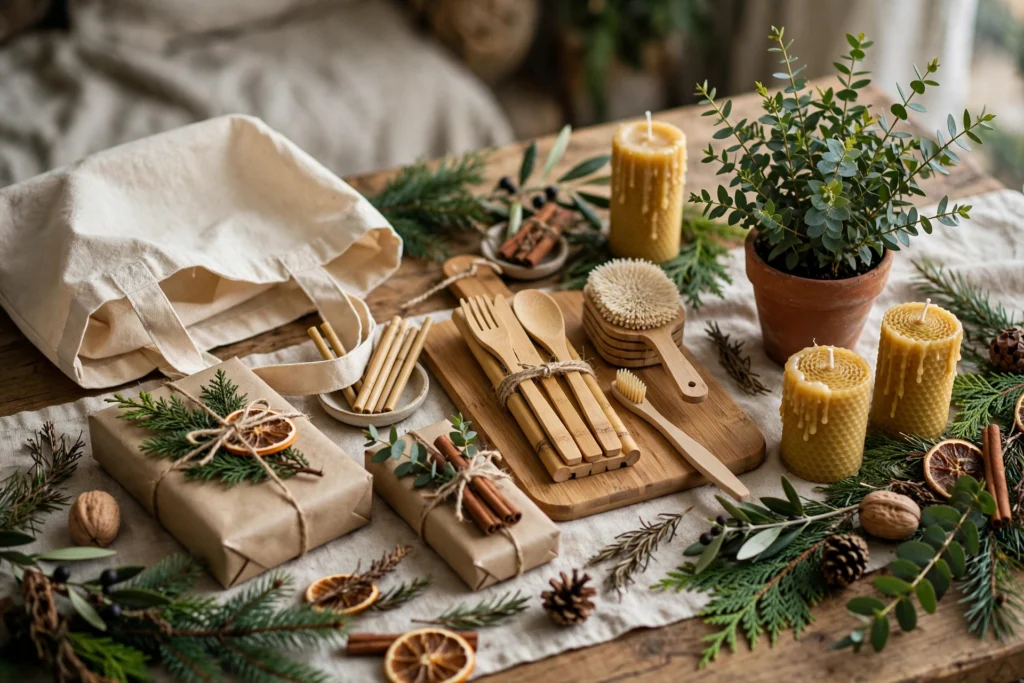
Every gift has a footprint: the raw materials, the manufacturing energy, the packaging, the shipping miles, and eventually, the disposal. Multiply that by the dozens of gifts exchanged in a typical extended family, and Christmas becomes one of the most waste-intensive times of the year.
But this is not a guilt trip. It is an opportunity. The average American spends over $900 on Christmas gifts each year. Directing even a fraction of that spending toward durable, useful, low-waste items sends a market signal and keeps junk out of landfills. Plus, sustainable gifts tend to be more thoughtful, because they require you to actually consider what the person needs rather than grabbing the first shiny thing on the shelf.
You do not need to overhaul everything at once. Pick two or three ideas from this guide that feel doable, and build from there next year.
Sustainable Gift Ideas That People Actually Want
The most eco-friendly gift is one that gets used for years, not one that checks a “green” box and then gathers dust. Focus on quality, utility, and longevity.
Experiences Over Things
Experience gifts create memories without creating waste. They are also the hardest to get wrong, because you are giving time together or a new skill, not guessing at someone's taste in objects.
- Cooking or craft classes. A pasta-making workshop, pottery class, or watercolor course gives the recipient a skill and a fun day out. Look for local studios to keep the carbon footprint low.
- National or state park passes. An annual parks pass costs less than many physical gifts and unlocks a year of outdoor adventures.
- Concert, theater, or museum tickets. Buy for a specific date so it does not languish as an unused gift card. Going together makes it even better.
- Subscription to something meaningful. A CSA farm box, a local theater membership, or a MasterClass subscription delivers ongoing value without ongoing packaging.
High-Quality Everyday Upgrades
Replace disposable habits with durable alternatives. These gifts save the recipient money over time, which makes them easy to appreciate.
- Reusable essentials kit. A stainless steel water bottle, beeswax food wraps, produce bags, and a set of glass storage containers, bundled in a tote. Practical, attractive, and immediately useful.
- A really good kitchen tool. One excellent chef's knife, a cast iron skillet, or a sturdy cutting board will outlast a dozen cheap gadgets. Buy once, cry once.
- Quality socks, underwear, or a wallet. Unglamorous? Maybe. But everyone needs them, and a well-made version beats the fast-fashion equivalent by years.
- Solid shampoo, conditioner, and soap bars. Package-free personal care from brands like Ethique or HiBAR eliminates plastic bottles and lasts longer than liquid equivalents.
Gifts That Grow
- A potted herb garden. Basil, mint, rosemary, and thyme in small pots give fresh flavor for months. Include a simple care card.
- Native plant seeds or a tree sapling. Organizations like the Arbor Day Foundation ship small trees with planting instructions. A native wildflower seed mix supports local pollinators.
- A compost bin or countertop collector. For the eco-curious friend who has not taken the plunge yet, a sleek countertop compost pail lowers the barrier.
Secondhand and Vintage Gifts
Buying secondhand is one of the greenest choices you can make, no new resources extracted, no new manufacturing emissions. The stigma is fading fast, especially among younger gift recipients.
- Vintage books. A beautiful old edition of a favorite novel, found at a used bookstore, feels more special than a new paperback.
- Quality vintage clothing or accessories. A leather satchel, a wool coat, or a silk scarf from a consignment shop can be stunning. Just make sure it is clean and in excellent condition.
- Refurbished tech. Certified refurbished headphones, tablets, or cameras from the manufacturer's own program come with warranties and cost significantly less than new.
The rule for secondhand gifting: condition is everything. It should look and feel like a deliberate, curated choice, not a last-minute thrift store grab. Clean it, and if appropriate, include a note explaining why you chose it. “I saw this first-edition and thought of you immediately” turns secondhand into thoughtful.
Zero-Waste Wrapping Ideas
Standard wrapping paper is often non-recyclable because of the metallic inks, glitter, and plastic coatings. Americans wrap an estimated 4.6 million pounds of it each Christmas. Here are better options, ranked from easiest to most committed:
Easy Swaps
- Brown kraft paper. Fully recyclable, cheap, and looks great dressed up with twine, dried orange slices, cinnamon sticks, or a sprig of evergreen. Stamp it with a potato stamp for a personal touch.
- Newspaper or magazine pages. The comics section, maps, or sheet music make charming wrap. Tie with ribbon you already own.
- Gift bags you already have. Reuse them. Seriously. No one is tracking how many times a bag has been regifted, and a quick iron smooths out wrinkles.
Level Up
- Furoshiki (fabric wrapping). The Japanese art of wrapping gifts in cloth. A square of fabric, a few folds, and you have beautiful, reusable wrapping. Scarves, bandanas, and tea towels double as part of the gift.
- Reusable boxes and tins. Cookie tins, wooden crates, and sturdy gift boxes get reused for years. Thrift stores are full of them for pennies.
- Skip the wrap entirely. For kids, try a scavenger hunt with clues leading to unwrapped gifts. For adults, a simple ribbon or bow on the item itself is elegant.
Tape and Ribbon
Plastic tape is not recyclable. Switch to paper tape (available in cute patterns) or use twine, cotton ribbon, or yarn, all of which can be reused. Save ribbons and bows from gifts you receive throughout the year in a dedicated drawer.
Carbon-Conscious Shipping

If you are mailing gifts, the shipping itself has a footprint. A few choices help:
- Consolidate shipments. Sending one box with three gifts to the same household beats three separate packages. You save money on postage too.
- Choose ground over air when possible. Air freight has a far higher carbon intensity than ground transport. If you are not up against a deadline, ground shipping is the greener pick.
- Reuse boxes and padding. Keep the boxes and air pillows from your own online orders throughout the year. Crumpled newspaper works as padding and is recyclable at the other end.
- Skip the rush. Expedited shipping often means half-empty trucks and planes. Standard shipping allows carriers to optimize routes and fill vehicles.
- Consider digital delivery. Gift cards, subscriptions, and experience bookings can often be delivered by email with a nicely designed printable certificate. Zero shipping emissions.
What to Avoid
Some gifts are environmental landmines disguised as good ideas. Think twice about:
- Fast-fashion clothing. Cheap trendy pieces are worn a handful of times and then discarded. If you are giving clothing, choose timeless, well-made items.
- Single-use gadgets. The avocado slicer, the banana hanger, the strawberry huller, unitaskers that do one job tend to end up in donation bins by spring.
- Cheap toys with lots of packaging. That giant box with three layers of plastic for a tiny toy? The packaging often outweighs the product. Look for toys with minimal, recyclable packaging.
- Scented products in excessive packaging. Bath sets where each tiny bottle is individually shrink-wrapped generate absurd waste. Buy the good stuff in simple packaging instead.
Getting the Family on Board
Going green solo is fine, but the real impact comes when the whole gift exchange shifts. Here is how to bring people along without sounding preachy:
- Propose a theme. “How about we do experience gifts this year?” or “Want to try a $50 secondhand-only challenge?” Framing it as a fun twist works better than a lecture.
- Lead by example. Give a beautifully wrapped furoshiki gift or a thoughtful experience. When people see it done well, they copy it.
- Suggest a Secret Santa with constraints. Fewer gifts total means less waste automatically. Add a theme like “homemade only” or “thrifted treasures under $30” for extra impact.
- Share the why briefly. One sentence is enough: “I have been trying to cut down on waste, so I wrapped yours in a scarf you can keep.” No sermon needed.
A Realistic Green Christmas Checklist
- Choose 2 to 3 gifts as experiences or consumables (food, classes, tickets)
- Buy at least one gift secondhand or refurbished
- Wrap everything in recyclable or reusable materials
- Save and reuse all ribbons, bows, and gift bags you receive
- Consolidate shipments and choose ground shipping
- Include a handwritten note explaining any unconventional choice
- Donate or responsibly recycle last year's unwanted gifts before buying new ones
The Bottom Line
A sustainable Christmas is not a lesser Christmas. In many ways it is a better one: less clutter, more thought, gifts that get used instead of stored. Start with the swaps that feel easy, and let the rest follow. The planet will not notice one perfect eco-warrior, but it will notice millions of people making slightly better choices, one gift at a time.

Heather Laprade is a gift-guide editor and product researcher with over 8 years of experience helping shoppers find the perfect presents. She has tested hundreds of products across categories from tech gadgets to cozy home goods, and her honest, hands-on reviews have guided thousands of holiday shoppers. When she's not hunting down the best gifts, Heather enjoys baking, hiking with her family, and wrapping presents (she's a bit of a perfectionist with the ribbon).
Our Final Pick
Every product above was chosen for quality, value, and gift-ability. Pick the one that matches their personality - you really can't go wrong.